 admin@bonzermarketeers.com
 +918799573034
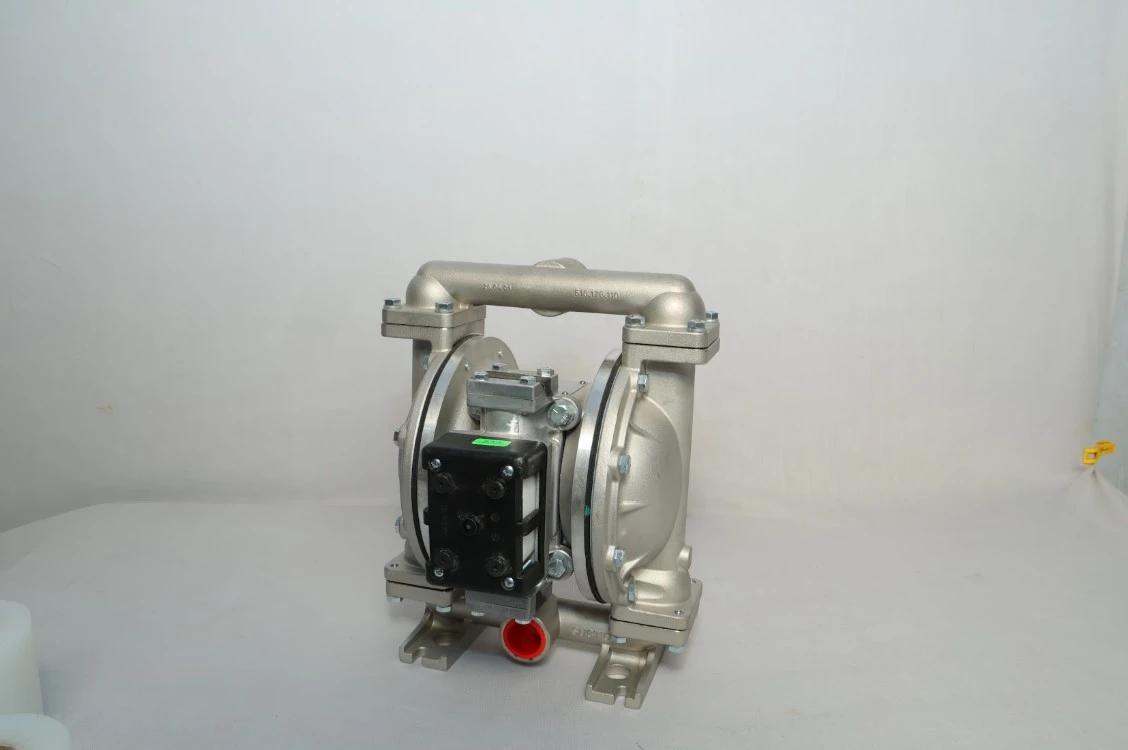
Air-Operated Double Diaphragm pumps are widely used across process industries for transferring chemicals, solvents, paints, slurries, viscous liquids and many other difficult fluids.
Their simple pneumatic operating principle, ability to handle a wide range of liquids and availability in different wetted materials make AODD pumps suitable for many industrial transfer applications.
However, selecting an AODD pump should not be based only on pump size or maximum flow rate.
The fluid, operating pressure, required flow, suction conditions, viscosity, solid content, temperature, wetted materials and future availability of replacement parts should all be considered before selecting a pump.
For maintenance teams, spare-parts availability is equally important. A pump may operate for years, but components such as diaphragms, valve balls, seats, seals and air-valve parts are wear components and may eventually require replacement.
This guide explains the important factors to consider when selecting an AODD pump and maintaining it over its operating life.
What Is an Air-Operated Double Diaphragm Pump?
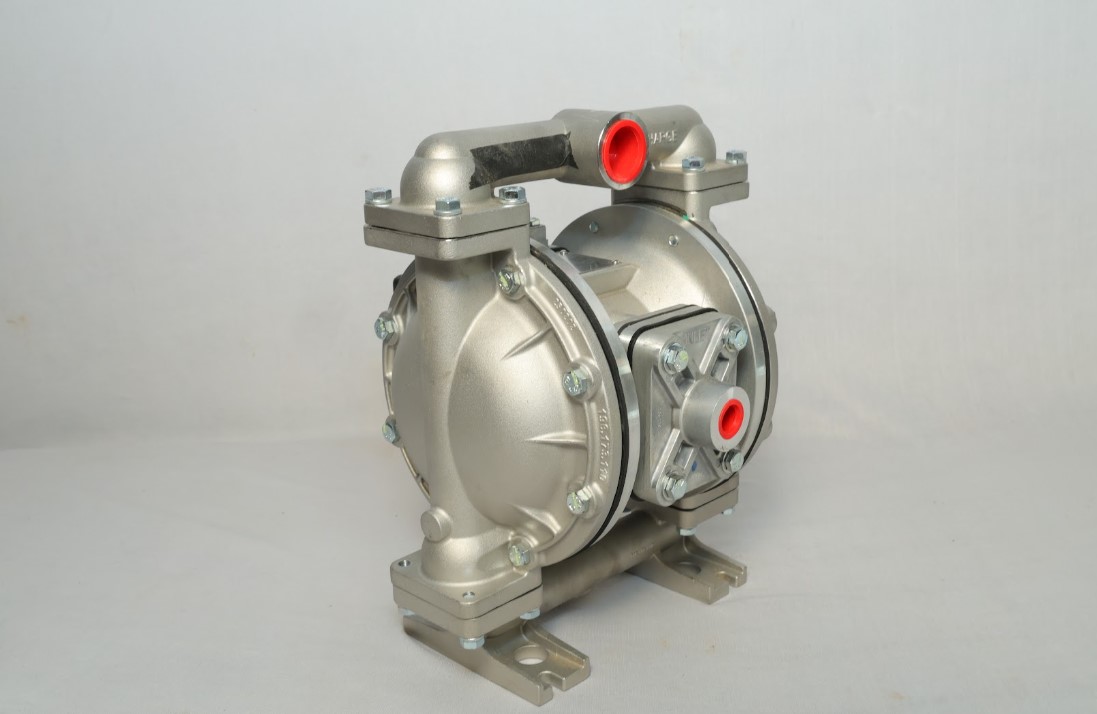
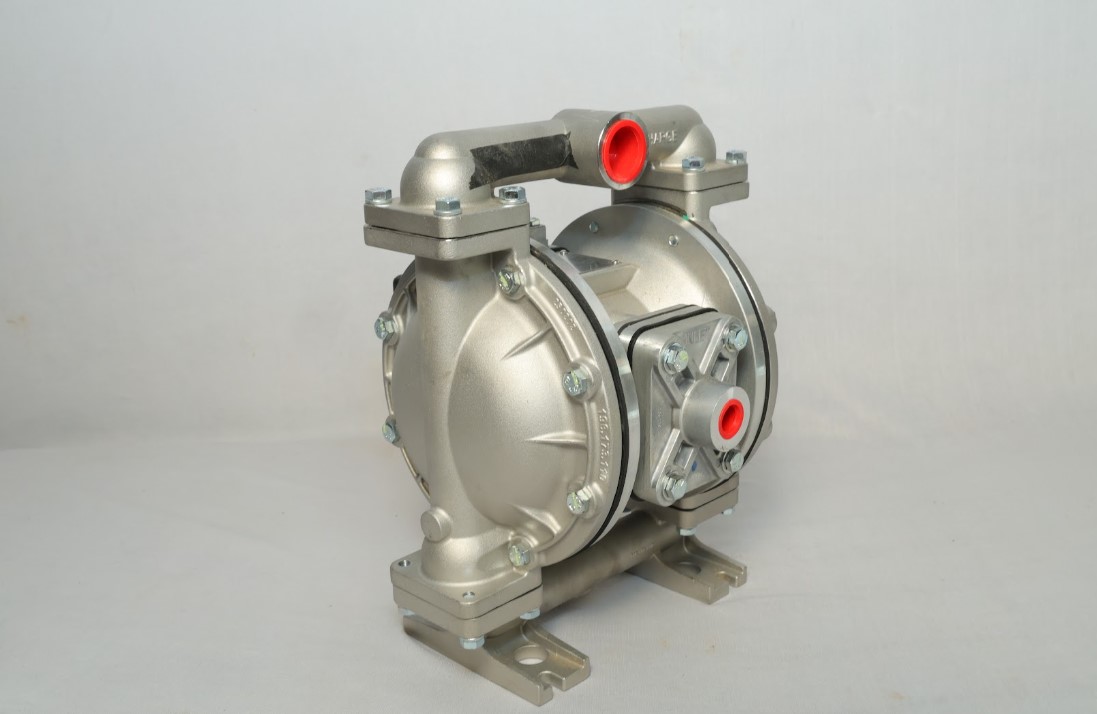
An Air-Operated Double Diaphragm pump, commonly called an AODD pump, is a positive-displacement pump operated by compressed air.
The pump typically contains two flexible diaphragms connected through a common shaft.
Compressed air is alternately directed behind each diaphragm by the pump's air-distribution system.
As one diaphragm moves outward and discharges liquid from one chamber, the opposite diaphragm moves inward and creates suction that draws liquid into the other chamber.
Valve balls or other check-valve arrangements control the direction of liquid flow through the pump.
Because the pumping action is created pneumatically, an electric drive motor is generally not required at the pump itself.
Why Are AODD Pumps Used in Process Industries?
AODD pumps are used in many applications because one pump technology can handle very different types of liquids when the correct construction is selected.
Typical applications include:
- Chemical transfer
- Paints and coatings
- Dyes and pigments
- Printing inks
- Adhesives and resins
- Ceramic slurry
- Sanitaryware manufacturing
- Specialty chemicals
- Agrochemicals
- Solvent transfer
- Filter-press feeding
- Drum and container transfer
- Food and pharmaceutical applications where suitable sanitary construction is selected
- Wastewater and sludge transfer
- Liquids containing suspended solids
The suitability of an AODD pump for a particular application depends on the pump design, materials of construction and operating conditions.
Important Advantages of AODD Pumps
1. Suitable for a Wide Range of Liquids
AODD pumps are available in metallic and non-metallic constructions.
Depending on the application, wetted components may include materials such as:
- Aluminium
- Stainless steel
- Polypropylene
- PVDF
- PTFE
- Other chemically resistant materials
The correct material must be selected based on the actual chemical, concentration, temperature and operating conditions.
2. Can Handle Viscous Fluids
Because AODD pumps are positive-displacement pumps, they can often handle fluids with significantly higher viscosity than many conventional centrifugal-pump applications.
Actual pump performance will depend on viscosity, suction conditions, piping losses and pump size.
3. Can Handle Some Suspended Solids
Many AODD pump designs have relatively large internal flow passages and can transfer liquids containing suspended solids.
Maximum permissible solid size depends on the individual pump model and valve design.
4. Self-Priming Capability
Many AODD pumps are capable of self-priming.
Actual suction lift depends on factors such as pump size, fluid properties, whether the suction line is dry or wet, air pressure and installation conditions.
5. Better Tolerance of Dry Running Than Many Pump Technologies
Many AODD pumps can tolerate periods of dry running better than pump technologies that depend on the pumped liquid for lubrication or cooling.
However, prolonged high-speed dry operation should generally be avoided because continuous cycling can still increase wear on diaphragms, valves and other moving components.
6. Suitable for Certain Hazardous-Fluid Applications
AODD pumps do not require an electric drive motor at the pump and are therefore frequently considered for transferring flammable or hazardous liquids.
However, pneumatic operation does not automatically make every installation free from ignition or explosion risk.
Correct pump materials, grounding or bonding, installation practices and applicable site-safety requirements must still be followed.
How to Select the Correct AODD Pump
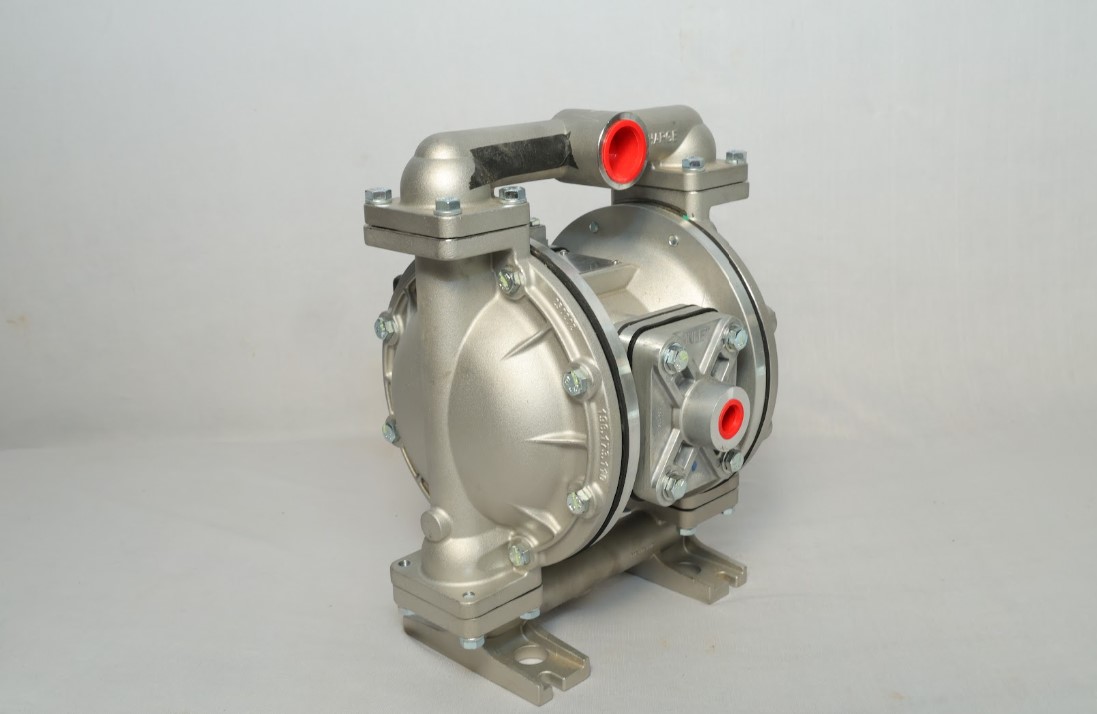
Correct selection starts with the application not with the pump catalogue.
Before selecting an AODD pump, collect the following information.
Required Flow Rate
Determine the normal required flow rather than selecting only on the pump's maximum published capacity.
Operating a pump continuously near its maximum cycling rate may increase component wear and air consumption.
Where practical, selecting a pump that can provide the required flow at a moderate operating speed can improve operating conditions.
Discharge Pressure
AODD pump performance changes according to air-inlet pressure and discharge resistance.
The required discharge pressure should include:
- Static head
- Pipe friction
- Filter resistance
- Hose losses
- Fittings and valves
- Process back pressure
A proper performance curve should be reviewed while selecting the pump.
Available Compressed Air
AODD pumps consume compressed air.
The plant must have adequate:
- Air pressure
- Air volume
- Air-line size
- Air preparation where required
Insufficient compressed-air supply can prevent the pump from achieving the expected flow.
Fluid Viscosity
Viscosity has a significant effect on pump performance.
Higher-viscosity liquids may require:
- Larger pump size
- Larger suction piping
- Reduced pumping speed
- Shorter suction distance
- Additional consideration of suction conditions
Solids Content
For fluids containing suspended solids, verify:
- Maximum particle size
- Nature of the solids
- Abrasiveness
- Pump passage size
- Ball-and-seat arrangement
A pump that works well for a clean liquid may not necessarily be suitable for an abrasive slurry.
Chemical Compatibility Is More Than Just the Diaphragm
One of the most common selection mistakes is checking only the diaphragm material.
Every wetted component should be considered.
These can include:
- Pump body
- Manifolds
- Diaphragms
- Valve balls
- Valve seats
- O-rings
- Seals
- Other wetted components
For example, PTFE offers excellent chemical resistance to many aggressive chemicals, but that does not mean PTFE is automatically the best diaphragm material for every application.
Selection should consider:
- Chemical
- Concentration
- Temperature
- Flex-life requirement
- Abrasiveness
- Process conditions
- Pump design
Similarly, stainless steel may be suitable for many industrial liquids but cannot be assumed to be compatible with every solvent, acid or chemical.
Material compatibility should therefore be verified for the specific application.
Why Spare-Part Availability Matters When Selecting an AODD Pump
The purchase price of an AODD pump is only one part of its lifecycle cost.
A plant may operate the pump continuously for years. During this period, some internal components will naturally wear.
Common replacement components include:
Diaphragms
Diaphragms are critical wear components because they continuously flex during pump operation.
Their service life is affected by:
- Pump cycling rate
- Chemical compatibility
- Temperature
- Discharge pressure
- Abrasiveness
- Diaphragm material
- Pump operating conditions
Valve Balls
Valve balls repeatedly open and close during pump operation.
Wear, swelling, chemical attack or dimensional changes can affect pump performance and priming.
Valve Seats
The ball and seat must work together to provide proper sealing.
Damage or wear at the seating surface can reduce pump efficiency.
O-Rings and Seals
O-rings and seals must be chemically compatible with the pumped fluid.
Incorrect elastomer selection can cause swelling, cracking or premature leakage.
Air-Valve Components
The air-distribution system is responsible for alternating compressed air between the two pump chambers.
Contamination, wear or incorrect lubrication practices can contribute to air-valve problems depending on pump design.
Selecting Replacement Spares for an Existing AODD Pump
Replacement-part identification should not be based only on visual similarity.
Different AODD pump models may use components that appear similar but have different:
- Diameters
- Profiles
- Shaft interfaces
- Materials
- Valve geometries
- Seal dimensions
- Mounting arrangements
Before ordering a replacement spare, provide as much information as possible.
Ideally, share:
1. Pump manufacturer or referenced brand
2. Complete pump model
3. Pump size
4. Existing reference or part number
5. Existing diaphragm/ball/seat material
6. Pump nameplate photograph
7. Photograph of the old component where required
8. Pumped chemical or liquid
9. Operating temperature
10. Operating pressure
This significantly reduces the possibility of supplying an incorrectly selected replacement component.
Compatible Replacement Parts vs Original Manufacturer Parts
Industrial users may choose either original manufacturer parts or independently manufactured compatible replacement components depending on their maintenance strategy, technical requirements and procurement policies.
The performance of a compatible replacement component depends on factors including:
- Material quality
- Dimensional accuracy
- Manufacturing tolerances
- Component design
- Correct material selection
- Compatibility with the applicable pump
- Actual operating conditions
Compatibility should therefore be technically verified rather than assumed simply because two parts look similar.
BONZER supplies compatible replacement components for various AODD pump applications and assists customers in identifying suitable parts using pump models, reference numbers, dimensions and application information.
Important: Third-party brand names and reference part numbers, wherever mentioned, are used solely for identification and compatibility reference. BONZER MARKETEERS is an independent supplier and is not affiliated with, authorized by, or endorsed by the respective original equipment manufacturers.
When Should You Consider Replacing the Complete Pump?
Not every pump problem requires a new pump.
If the pump body and major components remain serviceable, replacing worn diaphragms, balls, seats, seals or air-valve components may restore operation.
A complete pump replacement may make more sense when:
- Pump casing is severely damaged
- Multiple major components require replacement
- Required spare parts are unavailable
- Existing pump is repeatedly causing downtime
- Pump capacity is insufficient for the application
- Existing material is unsuitable for the chemical
- The process has changed significantly
- Maintenance cost is no longer economical
The decision should be based on lifecycle cost rather than only the cost of a repair kit.
BONZER AODD Pumps
BONZER offers AODD pumps for industrial fluid-transfer applications in different sizes and materials of construction.
Pump selection can be based on application details such as:
- Required flow
- Discharge pressure
- Chemical/fluid
- Viscosity
- Temperature
- Solid content
- Required wetted material
- Connection requirement
An important consideration when purchasing a new pump is future maintenance support.
For this reason, pump selection should include not only the initial pump specification but also expected diaphragm, ball, seat and other maintenance requirements.
Need Help Selecting an AODD Pump?
For new pump selection, send BONZER:
- Fluid/chemical name
- Required flow rate
- Required discharge pressure or head
- Temperature
- Viscosity, if available
- Solid content, if applicable
- Suction conditions
- Preferred pump material
The technical team can review the information before recommending a suitable configuration.
Need a Compatible Replacement Spare?
If your existing AODD pump requires a diaphragm, ball, seat, seal, air-valve component or another replacement item, send:
Pump nameplate + complete model + existing reference part number + spare photograph + application details**
This helps BONZER identify the required compatible replacement more accurately.
Send your pump model, nameplate or part-number details to BONZER for technical review and quotation.**
Frequently Asked Questions
What is an AODD pump used for?
AODD pumps are used for transferring a wide range of liquids including chemicals, solvents, paints, inks, adhesives, slurries, viscous fluids and liquids containing suspended solids. Suitability depends on the pump construction and application conditions.
Can an AODD pump run dry?
Many AODD pumps can tolerate dry running better than several other pump technologies. However, prolonged high-speed dry operation can increase component wear and should generally be avoided.
Which diaphragm material is best for chemicals?
There is no single diaphragm material that is best for every chemical. PTFE offers excellent resistance to many aggressive chemicals, while other materials may provide better flex life or abrasion resistance in different applications. Chemical, concentration, temperature and operating conditions should be checked before selection.
Which AODD pump spare parts commonly require replacement?
Common wear components include diaphragms, valve balls, valve seats, O-rings, seals and certain air-valve components. Replacement frequency depends on operating conditions.
How can I identify the correct AODD pump diaphragm?
Start with the complete pump model and existing reference number. A pump nameplate photograph, old diaphragm photograph, dimensions and application details can also help confirm compatibility.
Are compatible AODD replacement parts available for different pump brands?
Compatible aftermarket components are available for many AODD pump designs. Compatibility should always be verified using the pump model, reference part number, dimensions, material and application before ordering.
Does BONZER supply complete AODD pumps as well as replacement parts?
Yes. BONZER supplies its own AODD pump range for industrial applications and also provides compatible replacement spares for various AODD pump applications.
What information is required to select a new AODD pump?
At minimum, provide the liquid, required flow, discharge pressure, temperature and suction conditions. For viscous, abrasive or solids-containing liquids, additional application information should also be reviewed.
About BONZER
BONZER Pumps & Flow Systems provides industrial fluid-transfer solutions including BONZER AODD pumps and compatible replacement components for AODD pump maintenance applications.
Our focus is not only supplying a pump or component, but helping industrial users identify suitable materials, replacement parts and pump configurations based on their application.
Need a pump or compatible replacement spare?
Share your application details, pump nameplate, model or existing part number with BONZER for technical review and quotation.